Shockwave Therapy in Walsall, Birmingham and Wolverhampton
Shockwave Therapy is a non-surgical treatment used to help reduce pain and stimulate healing in damaged tendons, muscles and joints. At Back2Fitness Physiotherapy we provide both Radial Shockwave Therapy (ESWT) and Focused Shockwave Therapy to help patients across Walsall, Birmingham and Wolverhampton recover from chronic musculoskeletal conditions.
Understanding Shockwave Therapy
Two Advanced Shockwave Therapy Treatments Available
At Back2Fitness Physiotherapy we are committed to providing evidence-based treatments to help patients recover from injury, reduce pain and improve mobility. Shockwave Therapy is one of the advanced treatments we offer for a wide range of chronic musculoskeletal conditions. Whether you are suffering from persistent tendon pain, joint discomfort or soft tissue injuries, Shockwave Therapy may help stimulate the body's natural healing response and support long-term recovery.
Our clinic provides both Radial Shockwave Therapy (ESWT) and Focused Shockwave Therapy. These treatments use high-energy acoustic waves to target damaged tissues, improve circulation and encourage tissue repair. During this guide we explain how Shockwave Therapy works, the conditions it can help treat and what you can expect throughout the treatment process.
Radial Shockwave Therapy
Uses acoustic waves to treat chronic tendon and soft tissue conditions.
Focused Shockwave Therapy
Uses focused acoustic waves to target deeper tissues and specific structures with greater precision.
What Is Radial Shockwave Therapy (ESWT)?
Evidence-Based Treatment for Chronic Tendon & Soft Tissue Conditions
Extracorporeal Shockwave Therapy (ESWT), more commonly known as Radial Shockwave Therapy, is a non-surgical treatment that uses high-energy acoustic waves to stimulate healing within damaged tendons, muscles and other soft tissues. The term extracorporeal means “outside the body”, referring to the way the treatment is delivered through the skin without the need for injections or surgery.
Radial Shockwave Therapy works by delivering controlled acoustic waves into the affected area using a handheld applicator. These waves create a healing response within the tissue, encouraging increased blood circulation, improved metabolism and natural tissue repair. The treatment can also help reduce pain by influencing nerve activity within the affected area.
At Back2Fitness Physiotherapy we use Radial Shockwave Therapy to help patients suffering from chronic musculoskeletal conditions that have often been present for more than three months and have not responded fully to other conservative treatments.
What Is Focused Shockwave Therapy?
Advanced Shockwave Treatment for Deeper Musculoskeletal Conditions
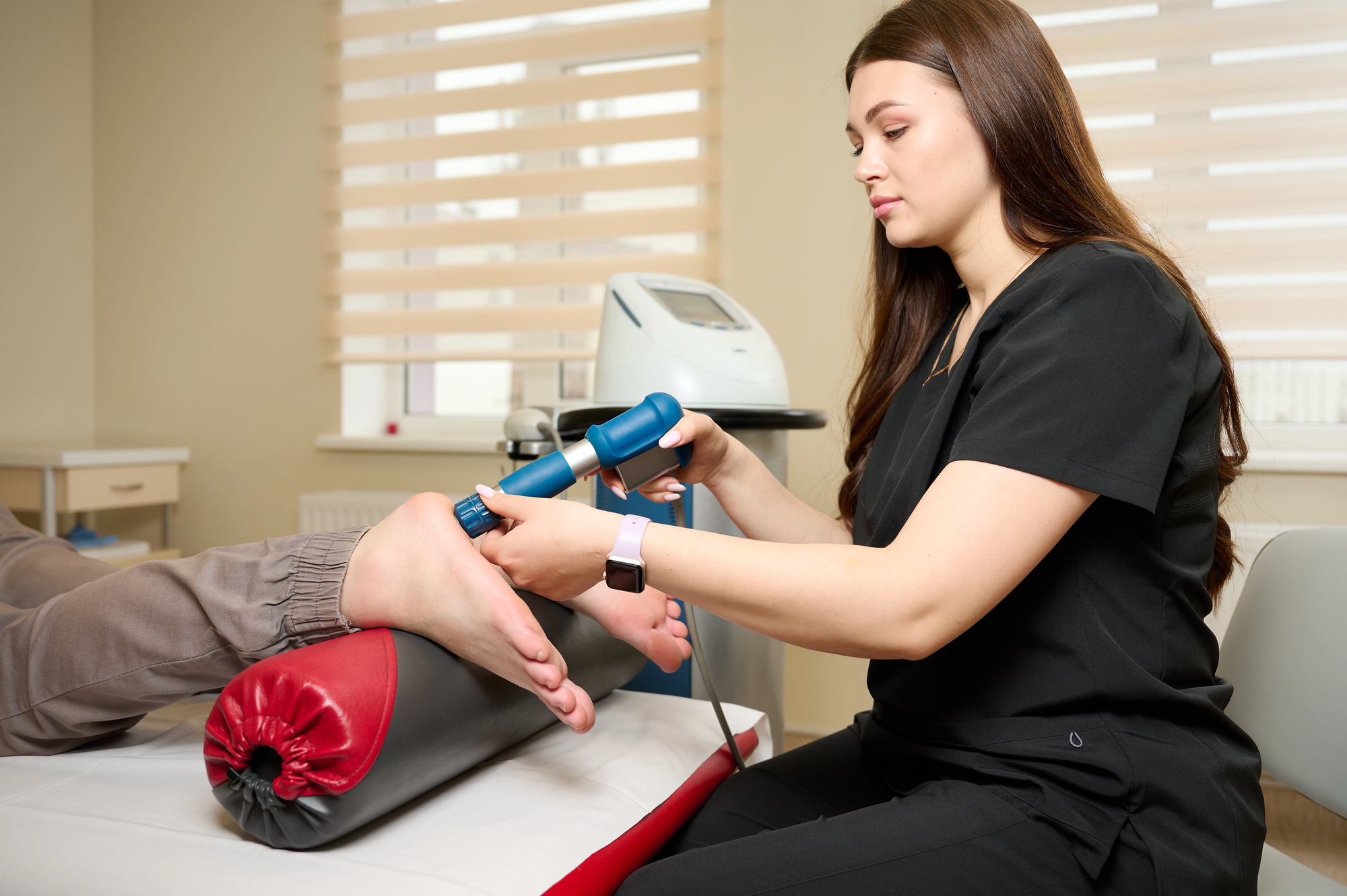
Focused Shockwave Therapy is an advanced non-invasive treatment that uses high-energy acoustic waves to target damaged tissues with greater precision. Unlike Radial Shockwave Therapy, which disperses energy over a broader area, Focused Shockwave Therapy concentrates energy at a specific depth within the body, allowing deeper structures to be treated more effectively.
The treatment works by delivering sound waves directly into the affected tissue where they stimulate cellular repair processes, increase blood flow and encourage the body's natural healing response. Focused Shockwave Therapy can penetrate deeper tissues and is often used for conditions involving tendons, joints, bone-related injuries and chronic pain.
At Back2Fitness Physiotherapy we have invested in Focused Shockwave Therapy to provide patients with an additional treatment option for deeper tissues and more complex musculoskeletal conditions that may benefit from higher energy delivery than traditional Radial Shockwave Therapy.
How Does Shockwave Therapy Work?
Stimulating the Body’s Natural Healing Response
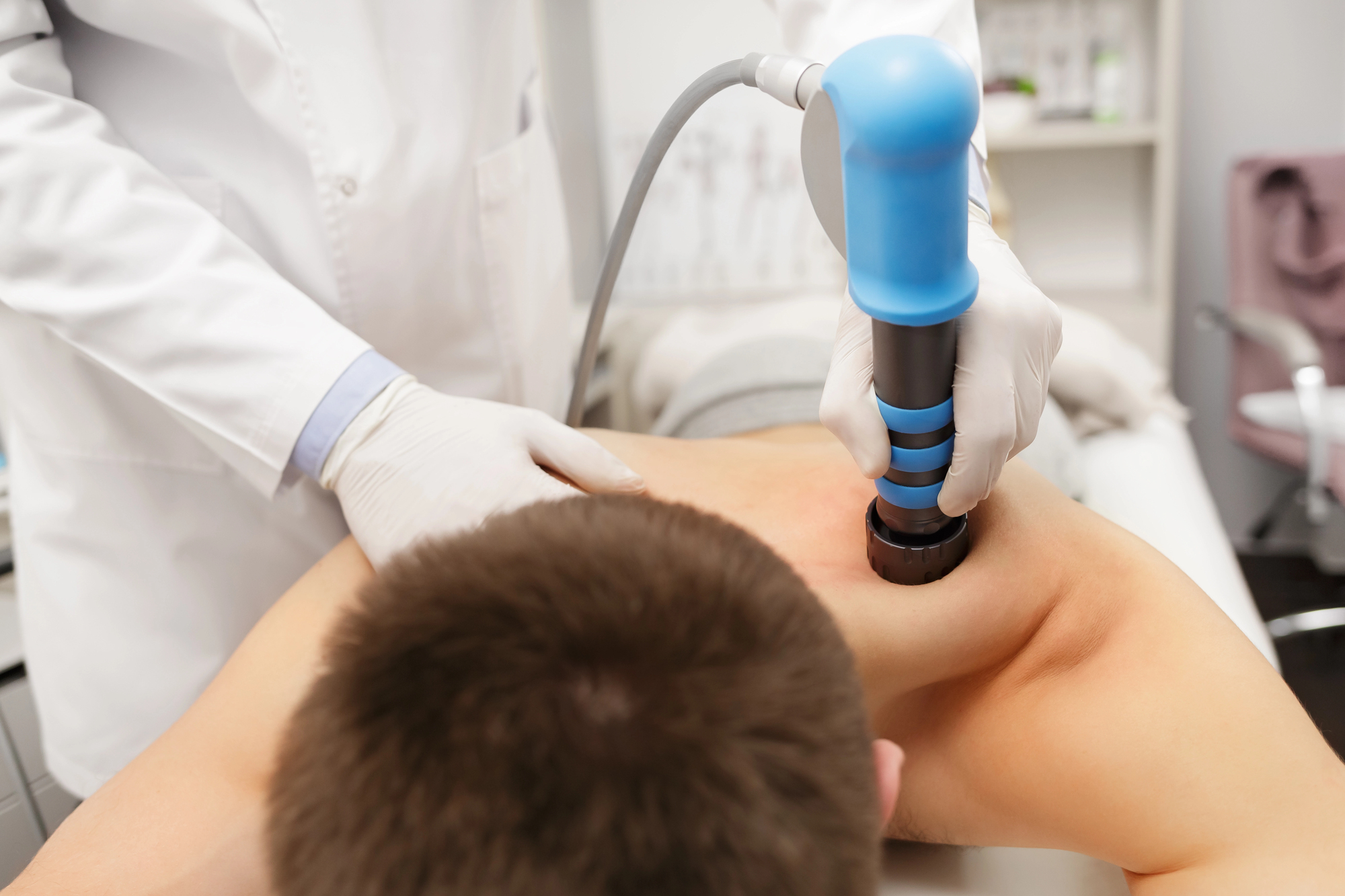
Both Radial Shockwave Therapy and Focused Shockwave Therapy use high-energy acoustic waves to stimulate the body's natural healing processes. These acoustic waves are delivered directly to the injured area using a handheld applicator and help trigger a series of biological responses within the affected tissues.
The treatment encourages increased blood flow, improved nutrient delivery and tissue regeneration. It may also help reduce pain, improve flexibility and support long-term recovery by promoting healing at the source of the problem rather than simply masking symptoms.
Increase Blood Flow
Stimulates circulation and oxygen delivery to injured tissues.
Cellular Stimulation
Encourages repair processes within damaged tissues.
Collagen Production
Supports tissue regeneration and strengthening.
Pain Reduction
Helps reduce discomfort by influencing pain signals.
Long-Term Healing
Promotes recovery and improved function over time.
What Conditions Can Shockwave Therapy Treat?
Effective Treatment for Chronic Tendon, Joint & Soft Tissue Conditions
Shockwave Therapy may be suitable for a wide range of chronic musculoskeletal conditions affecting tendons, joints, ligaments and soft tissues. Depending on the condition being treated, your physiotherapist may recommend either Radial Shockwave Therapy or Focused Shockwave Therapy as part of your rehabilitation programme. Common conditions treated:
Plantar Fasciitis
Achilles Tendinopathy
Tennis Elbow
Golfer's Elbow
Rotator Cuff Tendinopathy
Calcific Tendinopathy
Gluteal Tendinopathy
Proximal Hamstring Tendinopathy
Patellar Tendinopathy (Jumper's Knee)
Knee Osteoarthritis
Hip Osteoarthritis
Greater Trochanteric Pain Syndrome
The exact treatment recommended will depend on your diagnosis, symptoms and clinical assessment. Our physiotherapists will advise whether Radial Shockwave Therapy or Focused Shockwave Therapy is most appropriate for your condition.
What Are the Benefits of Shockwave Therapy?
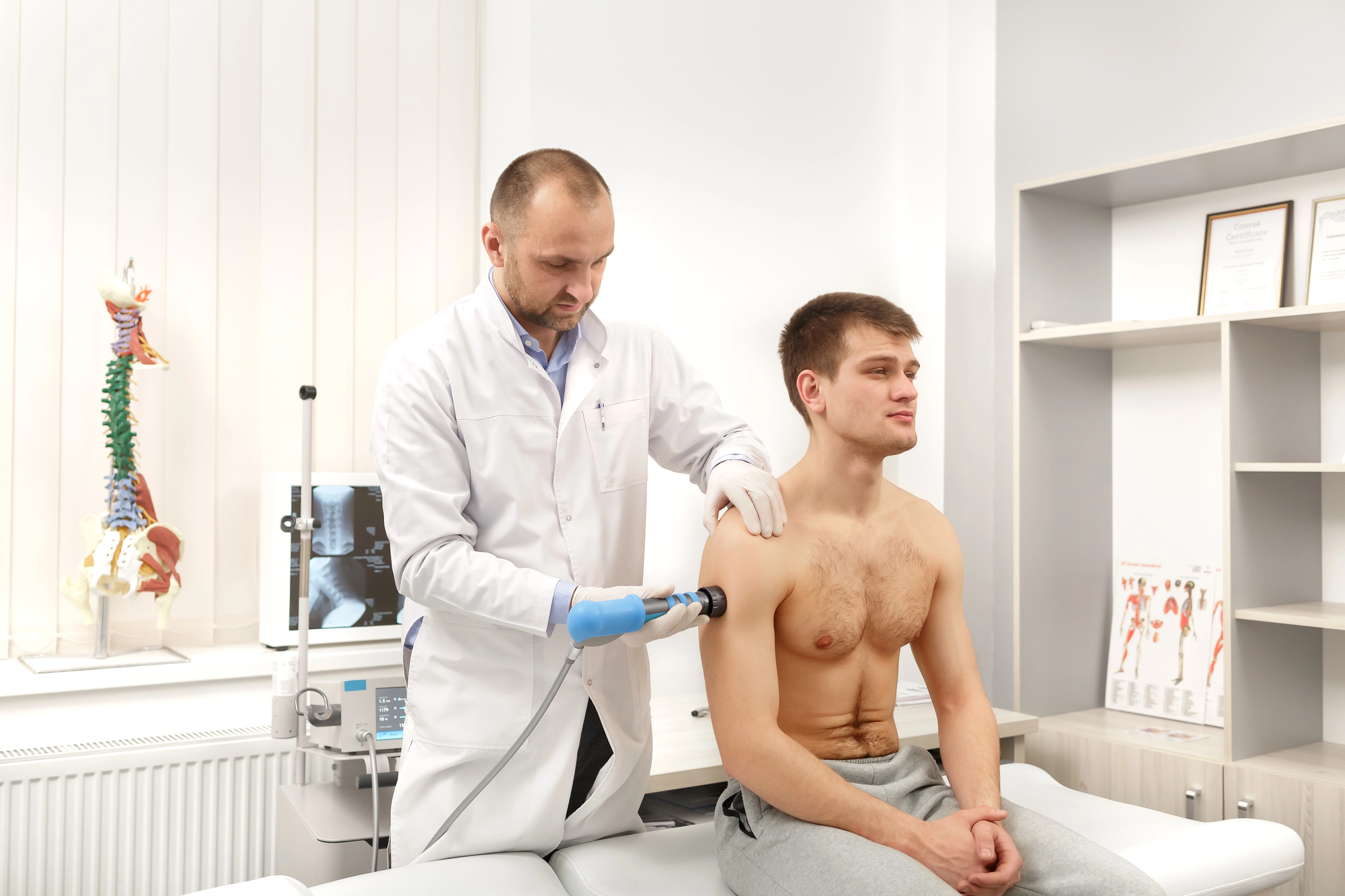
Shockwave Therapy is a non-invasive treatment designed to stimulate healing, reduce pain and improve function. Whether using Radial Shockwave Therapy (ESWT) or Focused Shockwave Therapy, many patients benefit from faster recovery and improved long-term outcomes without the need for injections or surgery.
Non-Surgical Treatment
No surgery, injections or lengthy recovery periods required.
Drug-Free Approach
Supports healing naturally without relying on medication.
Pain Reduction
Helps reduce pain and discomfort associated with chronic injuries.
Improved Mobility
Supports better movement, flexibility and day-to-day function.
Targeted Treatment
Energy is delivered directly to the affected tissues.
Long-Term Recovery
Encourages tissue repair and addresses the source of pain.
Is Shockwave Therapy Right For You?
Shockwave Therapy is suitable for many patients experiencing chronic tendon, ligament, muscle and joint pain. Both Radial Shockwave Therapy (ESWT) and Focused Shockwave Therapy are non-invasive treatments that may help stimulate healing and reduce pain when other treatments have not provided sufficient relief.
Suitable for Chronic Conditions
Personalised Physiotherapy Assessment
Non-Surgical Treatment Option
Combined with Rehabilitation Exercises
Shockwave Therapy may not be suitable for everyone. Treatment may not be recommended if you are pregnant, have an active infection, are taking certain blood thinning medications or have a significant tendon or ligament tear. Our experienced physiotherapists will assess your condition, medical history and treatment goals to determine whether Shockwave Therapy is appropriate for you.
What to Expect During and After Shockwave Therapy
During Your Treatment
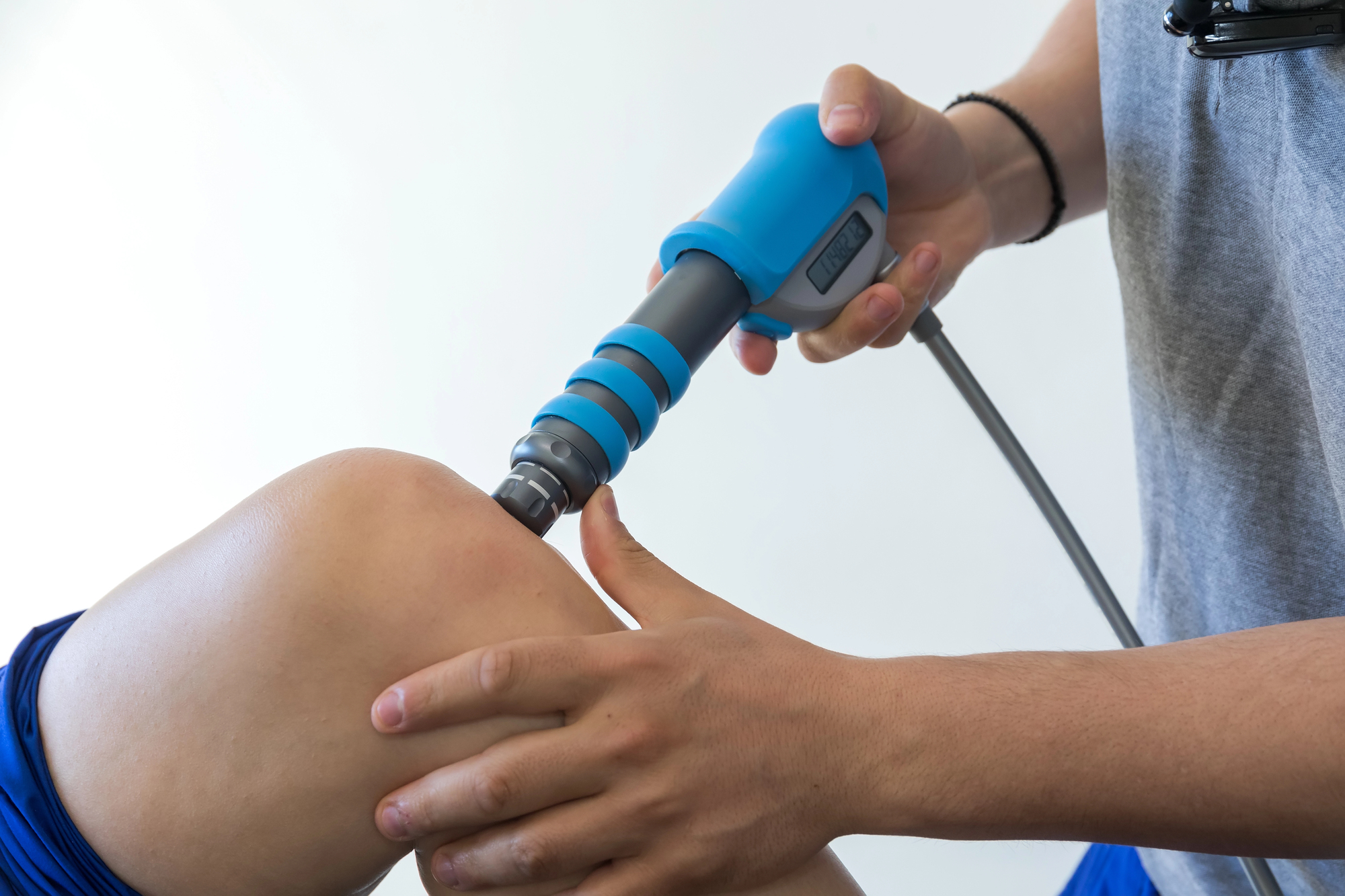
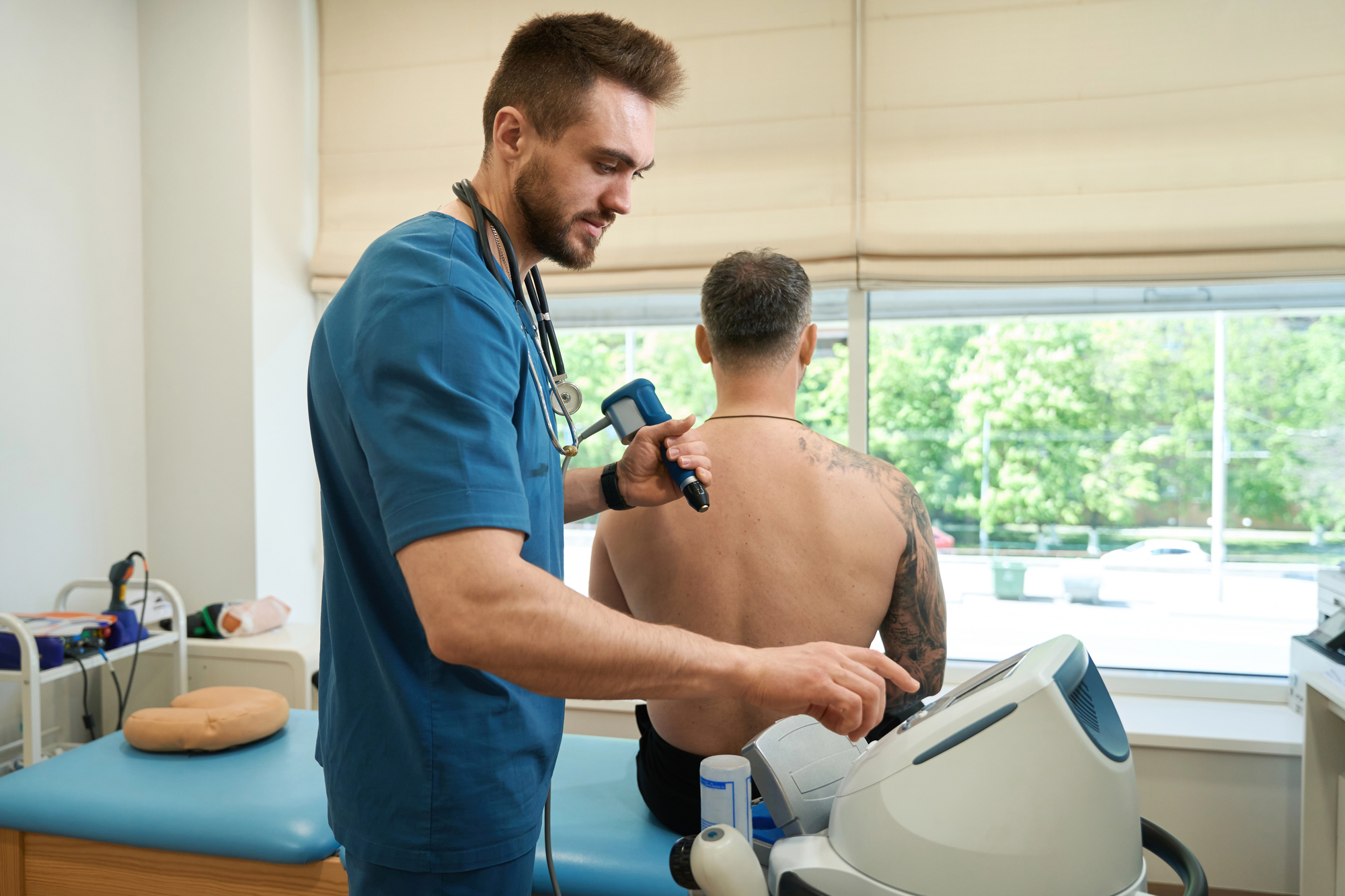
During your appointment, your physiotherapist will assess the area being treated before applying a contact gel to the skin. A handheld Shockwave Therapy applicator is then positioned over the affected tissue to deliver controlled acoustic waves. The treatment is tailored to your condition, symptoms and comfort levels and rehabilitation exercises may also be prescribed to support your recovery.
After Your Treatment
Some patients notice an improvement in their symptoms after only one or two sessions, while others experience gradual improvement over several weeks. Mild soreness, redness or tenderness can occur following treatment but usually settles within a few days. Your physiotherapist will provide advice on activity levels, rehabilitation exercises and any precautions to help maximise the benefits of your treatment.
Assessment
Initial assessment and treatment planning.
Shockwave Treatment
Targeted acoustic waves are applied to the affected tissues.
Healing Response
The body's natural repair processes are stimulated.
Rehabilitation
Exercises help improve strength and function.
Recovery
Pain reduces and movement improves over time.
How Long Is a Shockwave Therapy Session?
Shockwave Therapy appointments at Back2Fitness Physiotherapy are typically 30 minutes long. This allows sufficient time for your physiotherapist to assess your progress, deliver the appropriate Shockwave Therapy treatment and provide rehabilitation exercises tailored to your recovery.
Most patients benefit from a course of three to five weekly treatment sessions, although this may vary depending on the condition being treated, the severity of your symptoms and how you respond to treatment. Your physiotherapist will create a personalised treatment plan designed to achieve the best possible outcome.
30 Minute Sessions
Each appointment allows time for treatment, assessment and rehabilitation advice.
Weekly Appointments
Most patients attend one treatment session per week throughout their programme.
3–5 Sessions
A typical course involves three to five treatments depending on your condition.
Exercise Rehabilitation
Each appointment allows time for treatment, assessment and rehabilitation advice.
Are There Any Precautions or Side Effects?
Before Your Treatment
Before and during your course of Shockwave Therapy, your physiotherapist may advise you to avoid anti-inflammatory medication such as ibuprofen, naproxen or diclofenac unless instructed otherwise by your GP. Shockwave Therapy works by stimulating your body's natural healing response and reducing inflammation with medication may reduce the effectiveness of treatment.
After Your Treatment
It is common to experience mild soreness, redness, warmth or slight swelling around the treated area after Shockwave Therapy. These effects are temporary and usually settle within a few days as the healing process begins.
Heat therapy can usually be used after treatment if recommended by your physiotherapist, however ice and anti-inflammatory medication are generally avoided during the early stages of healing as they may reduce the body's natural inflammatory response that Shockwave Therapy is designed to stimulate.
We also recommend avoiding strenuous exercise involving the treated area for approximately 24–48 hours. Light day-to-day activities are usually encouraged and your physiotherapist will provide specific advice depending on your injury and rehabilitation programme.
If you have any concerns following treatment or your symptoms worsen unexpectedly, please contact Back2Fitness Physiotherapy for advice.
Frequently Asked Questions
What is the difference between Radial Shockwave Therapy and Focused Shockwave Therapy?
Radial Shockwave Therapy (ESWT) spreads acoustic energy over a broader treatment area and is commonly used for chronic tendon and soft tissue injuries. Focused Shockwave Therapy delivers concentrated energy to a precise depth, making it suitable for deeper structures, stubborn injuries and certain joint conditions. During your assessment, your physiotherapist will recommend the most appropriate treatment based on your condition.
How many Shockwave Therapy sessions will I need?
Most patients require a course of three to five weekly treatment sessions. The exact number depends on your condition, how long you have had symptoms and how your body responds to treatment.
How long does a Shockwave Therapy appointment take?
Appointments are typically 30 minutes long. This allows time for treatment, reassessment of your symptoms and progression of your rehabilitation exercises where appropriate.
Does Shockwave Therapy hurt?
Some discomfort is normal during treatment, particularly over the injured area. Your physiotherapist will adjust the treatment intensity to a level that is both comfortable and effective.
When will I notice improvement?
Some patients experience pain relief shortly after treatment, while others notice gradual improvement over several weeks. Healing continues after each treatment session, so improvements often develop over time.
Can Shockwave Therapy be combined with physiotherapy?
Yes. Shockwave Therapy is most effective when combined with an individual rehabilitation programme that may include strengthening exercises, mobility work and advice from your physiotherapist.
Are there any side effects?
Mild soreness, redness or swelling around the treatment area can occur after treatment but usually settles within a few days. Your physiotherapist will explain any precautions before your appointment.
Which Shockwave Therapy treatment is right for me?
During your assessment, your physiotherapist will determine whether Radial Shockwave Therapy or Focused Shockwave Therapy is the most appropriate option. This decision is based on the location of your injury, the depth of the affected tissues and your treatment goals.
Start Your Recovery with Shockwave Therapy
At Back2Fitness Physiotherapy, we provide both Radial Shockwave Therapy (ESWT) and Focused Shockwave Therapy to help treat a wide range of chronic tendon, muscle and joint conditions. Conveniently located just off Junction 10 of the M6, we welcome patients from Walsall, Birmingham, Wolverhampton and across the West Midlands. If you're struggling with persistent pain or an injury that hasn't responded to other treatments, our experienced physiotherapists are here to help you find the most appropriate treatment and get you moving again.
HCPC Registered • 22+ Years Experience • Evening & Weekend Appointments